Making Smarter Wellness Choices: A Practical Educational Guide
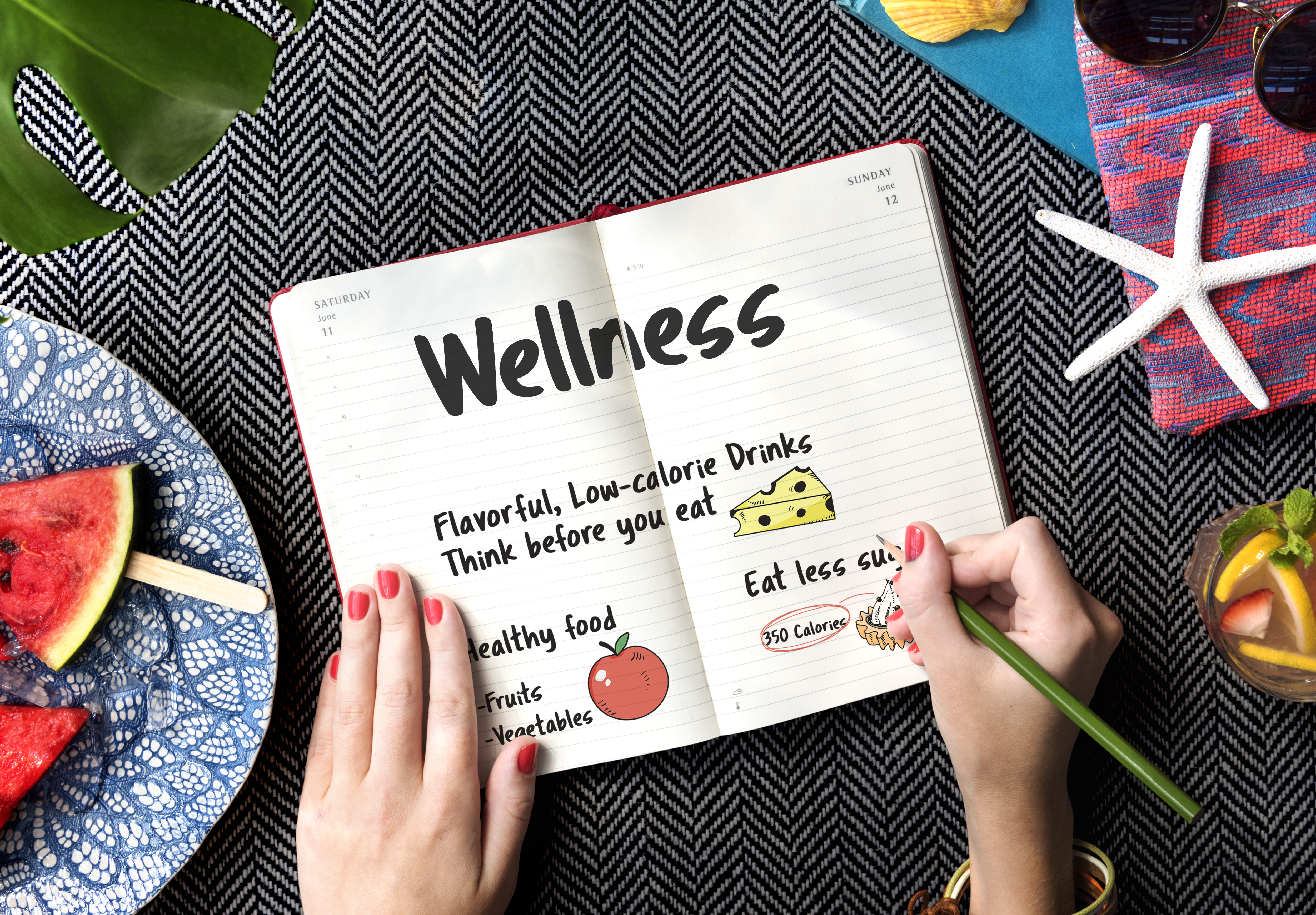
Rethinking Wellness: Knowledge Before Action
Wellness is more than following trends or quick fixes. It is a process of making informed, sustainable decisions about one’s health, daily habits, and environment.
Many people are realizing that small, thoughtful adjustments can have long-term benefits. Understanding how hydration, nutrition, and household products affect the body provides a foundation for informed wellness. By focusing on knowledge first, individuals can make decisions that truly support long-term health.
Educational resources, such as those provided by Tatmar, focus on helping people understand the science behind wellness decisions, empowering them to make choices that align with personal health goals.
Hydration: Beyond Drinking Water

Why Hydration Quality Matters
Most wellness discussions emphasize drinking enough water, but the quality of water is just as important. Hydration supports nearly every system in the body, from cognitive function and energy levels to digestion and skin health.
Even water that meets safety standards may contain elements that affect its taste and purity, such as residual chlorine, sediments, or trace metals. Understanding the role of mineral balance and overall water quality can help individuals maximize the benefits of hydration.
Educational guidance on hydration includes:
Identifying signs of dehydration
Understanding how water interacts with bodily functions
The impact of water quality on health
For further reading on water safety and quality, see:
🔗 U.S. Environmental Protection Agency – Drinking Water
Hydration and Overall Health
Proper hydration contributes to:
Maintaining optimal cognitive function
Supporting metabolic processes
Improving physical performance
Reducing the risk of certain health conditions
While hydration needs vary by age, activity level, and environmental conditions, understanding how to evaluate water quality and intake can help anyone make more informed choices.
Tatmar’s educational resources provide guidance on hydration strategies and understanding water quality, helping users develop healthier routines.
Learn more: Hydration Education
Clean Nutrition: Supporting the Body Effectively
Understanding Nutrient Needs

Even when following a balanced diet, modern food systems and soil depletion can make it difficult to consistently obtain all necessary nutrients. Clean supplementation focuses on providing essential nutrients without unnecessary additives, promoting health without overcomplication.
Educational guidance in nutrition includes:
Understanding macronutrients and micronutrients
Evaluating the quality of dietary supplements
Identifying nutrient gaps based on lifestyle or age
Many people ask:
“Do I need supplements if I eat well?”
The answer depends on individual circumstances, lifestyle, and specific health needs. Educational resources encourage critical evaluation of supplements, emphasizing transparency, science-backed ingredients, and safe usage.
For more information on nutrition and supplements, refer to:
🔗 NIH Office of Dietary Supplements
Tatmar provides guidance to help individuals explore nutrition thoughtfully and responsibly.
Explore: Clean Nutrition Resources
Everyday Product Safety: Reducing Exposure to Harmful Chemicals
How Household Choices Affect Wellness
Wellness extends beyond what we consume. Many everyday products, including cleaning agents, personal care items, and cosmetics, contain chemicals that may irritate the skin, affect respiratory health, or accumulate in the body over time.
Educational guidance on safer product use includes:
Understanding ingredient labels
Identifying potentially harmful chemicals
Choosing alternatives with clearer sourcing and formulation
By learning to evaluate the safety of everyday products, individuals can make informed, practical decisions that reduce exposure to unnecessary risks while maintaining convenience and effectiveness.
For research on chemical exposure in household products, see:
🔗 Environmental Working Group (EWG)
Tatmar’s resources provide guidance on evaluating and selecting safer household and personal care products.
Learn more: Safer Living Education
Integrating Knowledge into Daily Life

Making Informed Choices
The abundance of wellness information available today can be overwhelming. Not all sources are reliable, and misinformation can lead to ineffective or even harmful practices.
A knowledge-first approach includes:
Asking questions and seeking credible sources
Understanding scientific principles behind wellness recommendations
Applying practical solutions gradually and consistently
By prioritizing education, individuals can make decisions that align with personal goals and lifestyles, without being swayed by marketing hype or trends.
STILL NOT SURE?
Common Questions About Daily Wellness Habits
What is the purpose of focusing on education first?
Education ensures that individuals understand the reasoning behind wellness decisions, promoting safe and effective practices.
Is it necessary to evaluate hydration, nutrition, and product safety separately?
Yes, each aspect affects health differently, but combined awareness leads to comprehensive well-being.
Are these wellness strategies applicable to all ages and lifestyles?
Yes. Understanding the principles allows anyone to make adjustments that fit their circumstances.
Where can I find reliable wellness resources?
Educational platforms, research institutions, and government agencies provide scientifically-backed guidance.
Conclusion: Knowledge as the Foundation of Wellness
True wellness is not about trends or immediate results; it is about understanding the impact of our daily choices and making informed adjustments over time.
By focusing on hydration, clean nutrition, and safer product use, individuals can build a strong foundation for long-term health. Educational resources, like those offered by Tatmar, provide pathways to explore these areas safely and effectively, helping users make choices that are informed, practical, and sustainable.
Explore more educational resources: Tatmar.org