Simple Daily Habits for a Healthier, Low-Toxin Lifestyle

In a world filled with processed foods, environmental toxins, and high stress levels, more people are searching for natural ways to support overall health and wellness. The goal isn’t perfection, it’s progress. Small, consistent habits can make a powerful difference over time.
From improving hydration to reducing chemical exposure and strengthening daily routines, this guide explores practical, science-backed ways to support your body naturally without overwhelming your lifestyle.
Why Everyday Choices Matter More Than You Think
According to the Centers for Disease Control and Prevention (CDC), lifestyle-related factors such as nutrition, hydration, and environmental exposure play a significant role in long-term wellness. Small daily improvements compound over time.
For example:
Proper hydration supports metabolism and cognitive function
Reducing toxin exposure may lessen oxidative stress
Nutrient-dense foods support immune health
Clean personal and household products reduce unnecessary chemical load
You can learn more about hydration science from the Mayo Clinic.
Prioritize Clean Hydration
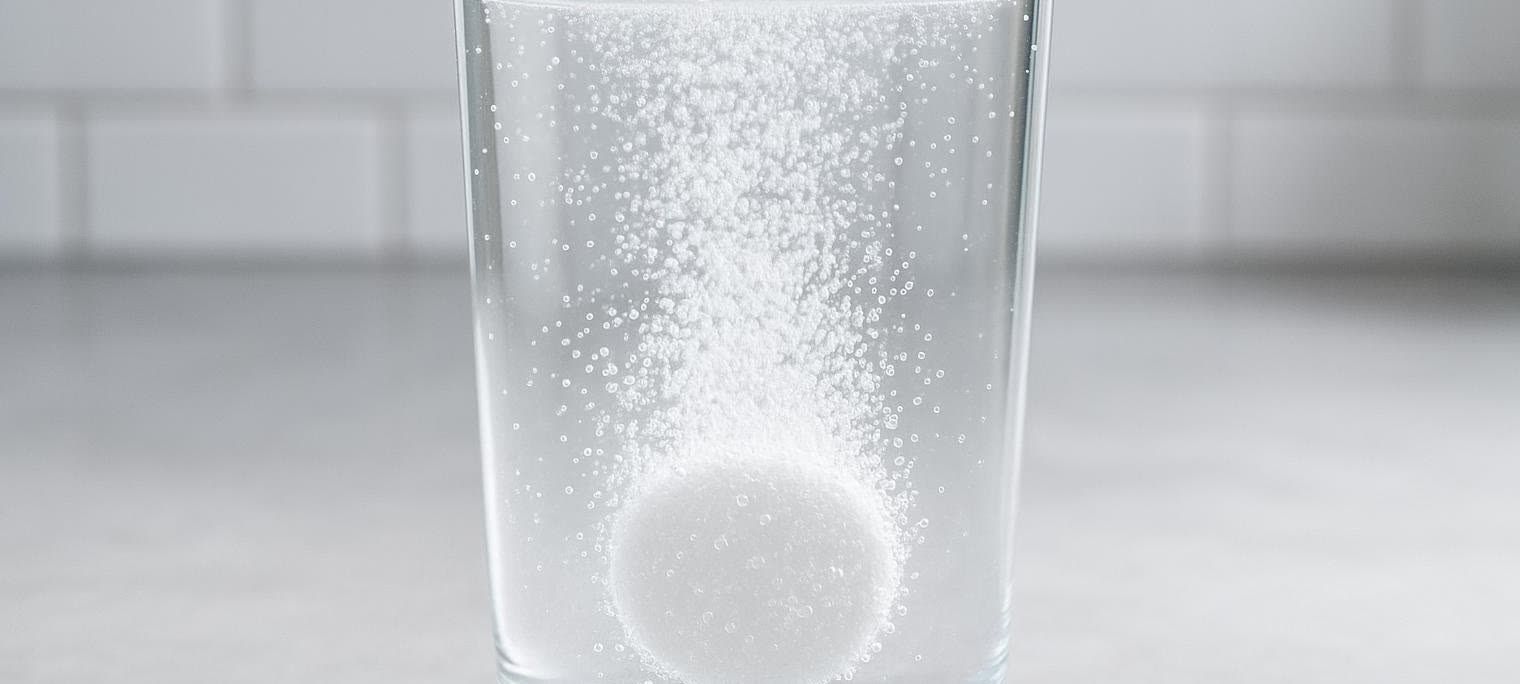
Hydration is more than just drinking water, it’s about cellular hydration. Your body relies on proper mineral balance to absorb and utilize fluids efficiently.
Many people experience fatigue, brain fog, and muscle cramps simply because they’re not optimally hydrated.
Adding natural electrolyte support can help improve:
Energy levels
Muscle recovery
Mental clarity
Physical performance
For those looking to improve hydration naturally, you can explore supportive hydration options here: https://tatmar.org/hydrate
(Always consult your healthcare provider if you have medical conditions related to fluid balance.)
Support Your Body with Nutrient-Dense Supplements
Modern soil depletion and busy lifestyles can make it difficult to get optimal nutrients from food alone. According to research published by the National Institutes of Health (NIH), certain populations may benefit from targeted supplementation.
High-quality, clean-label supplements can support:
Immune function
Digestive balance
Hormonal health
Healthy inflammation response
Energy production
If you’re researching foundational wellness protocols and structured health education, you can learn more here:
For those interested in a broader ecosystem of wellness-focused products and everyday essentials, explore here:
When choosing supplements, look for:
Third-party testing
Clean ingredient sourcing
Transparency in labeling
No artificial fillers or dyes
Reduce Toxic Load in Your Home
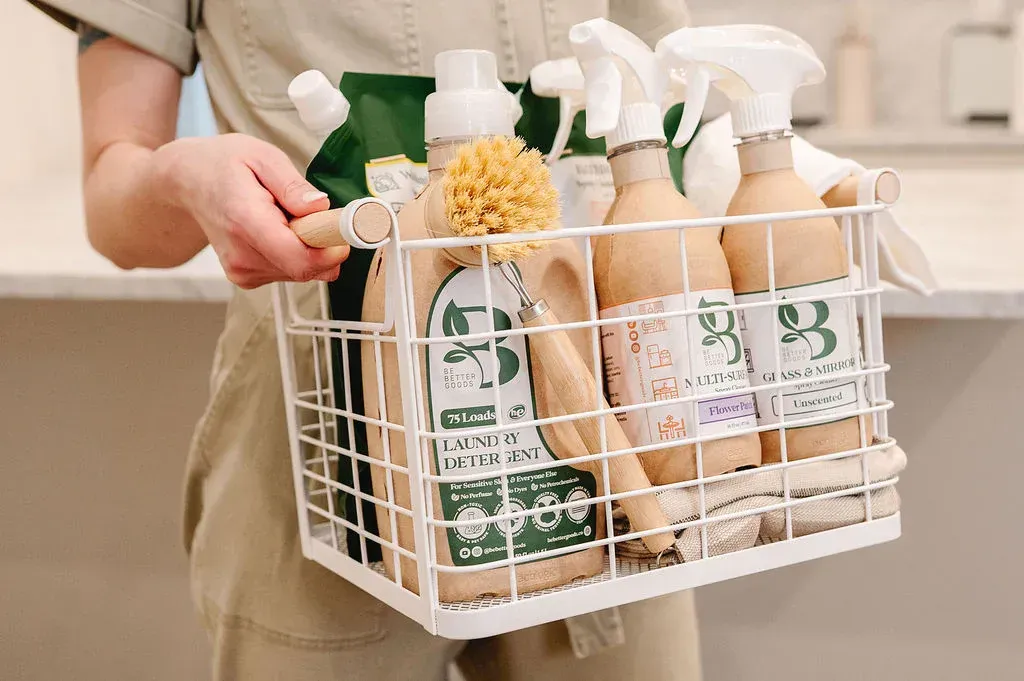
Did you know that indoor air can sometimes be more polluted than outdoor air? The Environmental Protection Agency (EPA) notes that household products may contribute to indoor air contaminants.
Reducing chemical exposure doesn’t require a complete lifestyle overhaul.
Start small:
Swap conventional cleaners for non-toxic alternatives
Choose fragrance-free personal care products
Avoid artificial dyes and harsh preservatives
Read ingredient labels carefully
These gradual changes can support long-term wellness while creating a cleaner home environment.
Build Sustainable Wellness Habits
Health is rarely about one product or one solution. It’s about consistency.
Focus on these foundational habits:
Drink half your body weight (in ounces) of water daily
Prioritize whole, minimally processed foods
Move your body at least 30 minutes a day
Get 7–9 hours of quality sleep
Manage stress with breathwork or prayer/meditation
When hydration, nutrition, and toxin reduction work together, your body can function more efficiently.
A Gentle Reminder
Wellness is personal. What works for one person may not work for another. Always consult a licensed healthcare provider before making significant dietary or supplement changes, especially if pregnant, nursing, or managing medical conditions.
The goal is informed decisions, not impulse buying. Education first. Implementation second.
STILL NOT SURE?
Frequently Asked Questions
Why is hydration so important for overall health?
Hydration supports circulation, temperature regulation, nutrient transport, and cognitive performance. Even mild dehydration can impact energy levels and focus.
Do I really need supplements if I eat healthy?
Whole foods are foundational, but some people may benefit from supplementation due to soil depletion, dietary restrictions, stress levels, or absorption issues. Testing and professional guidance are recommended.
What are common sources of household toxins?
Conventional cleaning products, synthetic fragrances, artificial dyes, and certain plastics may contribute to indoor toxin exposure.
How can I start reducing chemical exposure without spending too much?
Start with high-impact swaps like laundry detergent, dish soap, and personal care items. Replace products gradually as you run out.
Are natural wellness products safe for everyone?
Not always. “Natural” doesn’t automatically mean safe. Always review ingredients and consult your healthcare provider if unsure.
Final Thoughts
Living a low-toxin, hydration-focused, nutrient-supported lifestyle doesn’t have to be extreme. Small daily upgrades can create meaningful long-term benefits.
If you're exploring tools and educational resources that support:
Better hydration
Foundational supplementation
Cleaner household alternatives
You can continue your research through the resources linked above and make the best decision for your personal health journey.