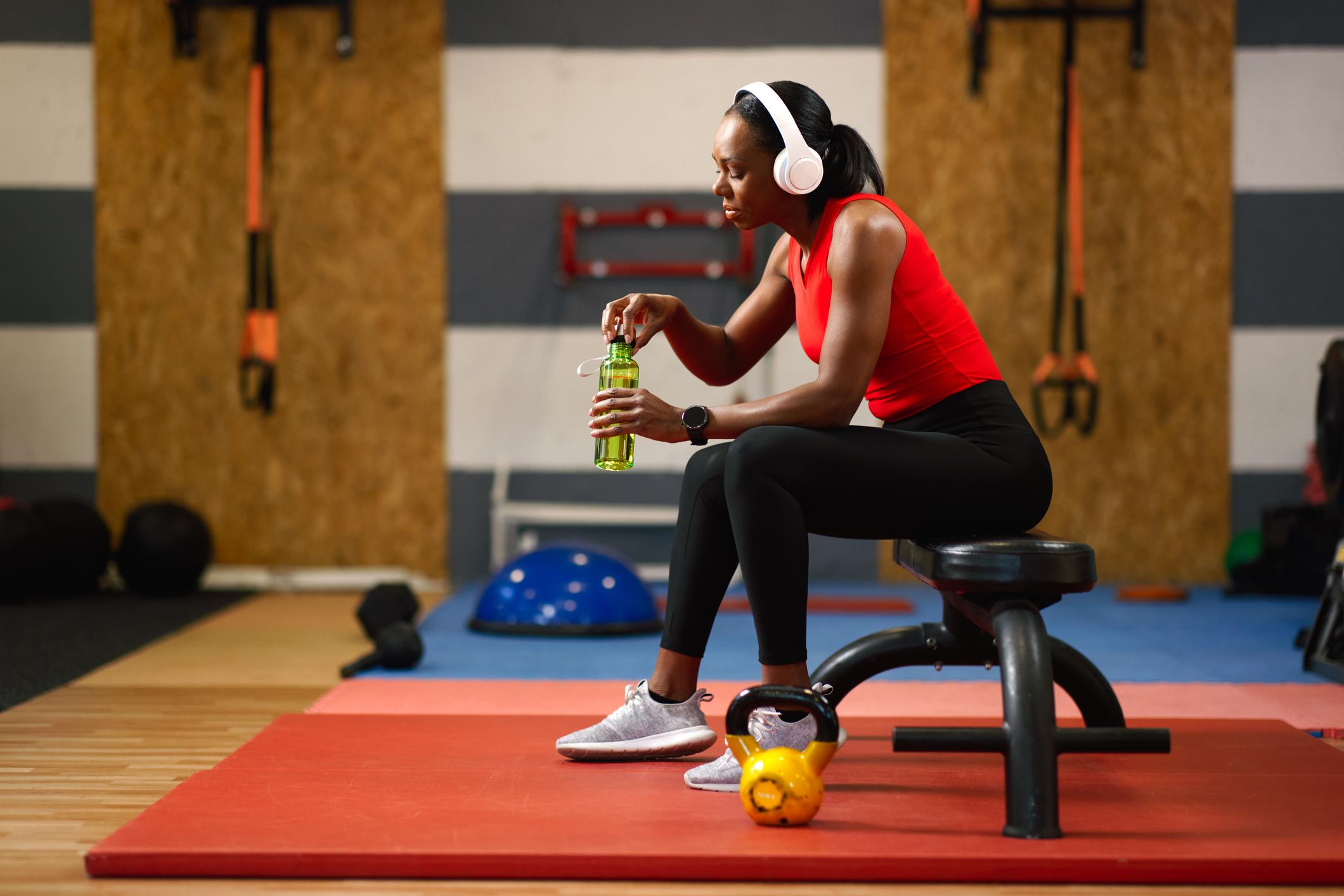
How Dehydration Affects Muscles and Physical Performance
Proper hydration plays a critical role in overall health, but it becomes especially important when it comes to muscle performance. Many people focus on nutrition and exercise routines yet overlook how dehydration affects muscles, strength, and endurance.
Even mild dehydration can interfere with the body’s ability to regulate temperature, transport nutrients, and support muscle contraction. These disruptions can lead to fatigue, decreased performance, and even dehydration muscle cramps during physical activity.
Understanding the connection between hydration and muscle function helps athletes, fitness enthusiasts, and active individuals protect their performance and support effective hydration for muscle recovery.
Why Hydration Matters for Muscle Function
Muscles rely heavily on water to function properly. In fact, skeletal muscle tissue is made up of approximately 70–75 percent water.
Water helps the body:
transport oxygen and nutrients to muscles
regulate body temperature
maintain electrolyte balance
remove metabolic waste produced during exercise
According to the National Institutes of Health, hydration plays an essential role in maintaining cellular balance and supporting physical performance.
When hydration levels drop, muscle cells cannot function as efficiently, which may contribute to fatigue and cramping.
How Dehydration Leads to Muscle Cramps
One of the most common symptoms athletes experience during intense exercise is dehydration muscle cramps.
Muscle cramps occur when muscles contract involuntarily and fail to relax.
Several factors related to dehydration can contribute to cramping.
Electrolyte Imbalance
Sweating causes the body to lose important electrolytes such as sodium, potassium, and magnesium.
These minerals are essential for muscle contraction and nerve signaling.
Without proper electrolyte balance, muscles may contract irregularly, leading to cramping.
Reduced Blood Flow to Muscles
Dehydration can reduce blood volume, making it harder for oxygen and nutrients to reach working muscles.
This reduced circulation can contribute to muscle fatigue and spasms.
Increased Muscle Fatigue
When the body lacks adequate fluids, muscles fatigue more quickly. Fatigued muscles are more prone to involuntary contractions.
According to the American College of Sports Medicine, maintaining hydration during exercise helps reduce the risk of muscle cramps and heat-related illnesses.
External resource:
https://www.acsm.org
Signs Your Body May Be Dehydrated During Exercise
Recognizing early symptoms of dehydration can help prevent performance decline.
Common signs include:
muscle cramps or spasms
excessive fatigue
dizziness or headaches
dry mouth or thirst
decreased athletic performance
When these symptoms appear during physical activity, it is often a signal that the body needs fluids and electrolyte replenishment.
Hydration and Athletic Performance
Proper hydration affects several aspects of athletic performance.
Strength and Power Output
Dehydration can reduce muscle strength and explosive power, making it harder to perform high-intensity activities such as weightlifting or sprinting.
Endurance Capacity
During endurance activities like running or cycling, fluid loss through sweat can reduce stamina and increase perceived exertion.
Body Temperature Regulation
Water helps regulate body temperature by allowing the body to sweat and cool itself during physical activity.
The Centers for Disease Control and Prevention notes that dehydration can increase the risk of heat-related illnesses, particularly during prolonged exercise in warm environments.
Hydration for Muscle Recovery
Hydration is just as important after exercise as it is during activity.
During workouts, the body loses fluids through sweat and increased respiration. Replacing these fluids supports recovery by helping muscles repair and restore balance.
Benefits of proper hydration for muscle recovery include:
improved nutrient transport to muscle cells
faster removal of metabolic waste
reduced muscle soreness
improved tissue repair
Rehydrating after exercise helps restore electrolyte balance and supports the body’s natural recovery process.
How Much Water Do Active People Need?
Hydration needs vary depending on body size, activity level, and environmental conditions.
While individual needs differ, several general guidelines can help maintain hydration.
Before Exercise
Drink water throughout the day and consume fluids about 1–2 hours before activity.
During Exercise
During longer workouts, periodic hydration helps replace fluid lost through sweat.
After Exercise
Rehydration helps restore fluid balance and supports muscle recovery.
Some athletes may benefit from electrolyte-containing beverages when exercising for extended periods or in hot environments.
Simple Hydration Habits That Support Muscle Health
Maintaining hydration does not need to be complicated.
These simple habits can help support muscle function and performance.
Drink Water Consistently
Instead of waiting until you feel thirsty, drink fluids throughout the day.
Monitor Sweat Loss
People who sweat heavily during exercise may need additional fluids and electrolytes.
Eat Water-Rich Foods
Fruits and vegetables such as watermelon, cucumbers, and oranges contribute to daily hydration.
Replace Fluids After Workouts
Post-exercise hydration helps support recovery and muscle repair.
Long-Term Benefits of Staying Hydrated
Consistent hydration supports more than just athletic performance.
Maintaining healthy hydration levels contributes to:
improved circulation
better energy levels
enhanced cognitive focus
healthier muscle function
reduced fatigue during physical activity
For active individuals, hydration becomes a foundational element of long-term physical wellness.
Key Takeaways
Dehydration can significantly affect muscle performance, endurance, and recovery.
When the body lacks adequate fluids, athletes and active individuals may experience:
dehydration muscle cramps
reduced endurance
muscle fatigue
slower recovery
Maintaining proper hydration for muscle recovery and performance helps muscles function efficiently and reduces the risk of exercise-related complications.
Simple habits such as drinking fluids regularly and replacing electrolytes after intense activity can help protect muscle health and support overall physical performance.
Frequently Asked Questions
Can dehydration cause muscle cramps?
Yes. Dehydration and electrolyte imbalances are common contributors to muscle cramps during physical activity.
How does hydration affect muscle recovery?
Proper hydration helps deliver nutrients to muscle cells and remove metabolic waste after exercise.
What are early signs of dehydration during workouts?
Common signs include fatigue, dizziness, dry mouth, and muscle cramps.
Should athletes drink electrolytes during exercise?
For long or intense workouts, electrolyte replacement can help maintain proper muscle function.
How much water should active individuals drink daily?
Hydration needs vary depending on body size, activity level, and environmental conditions.
