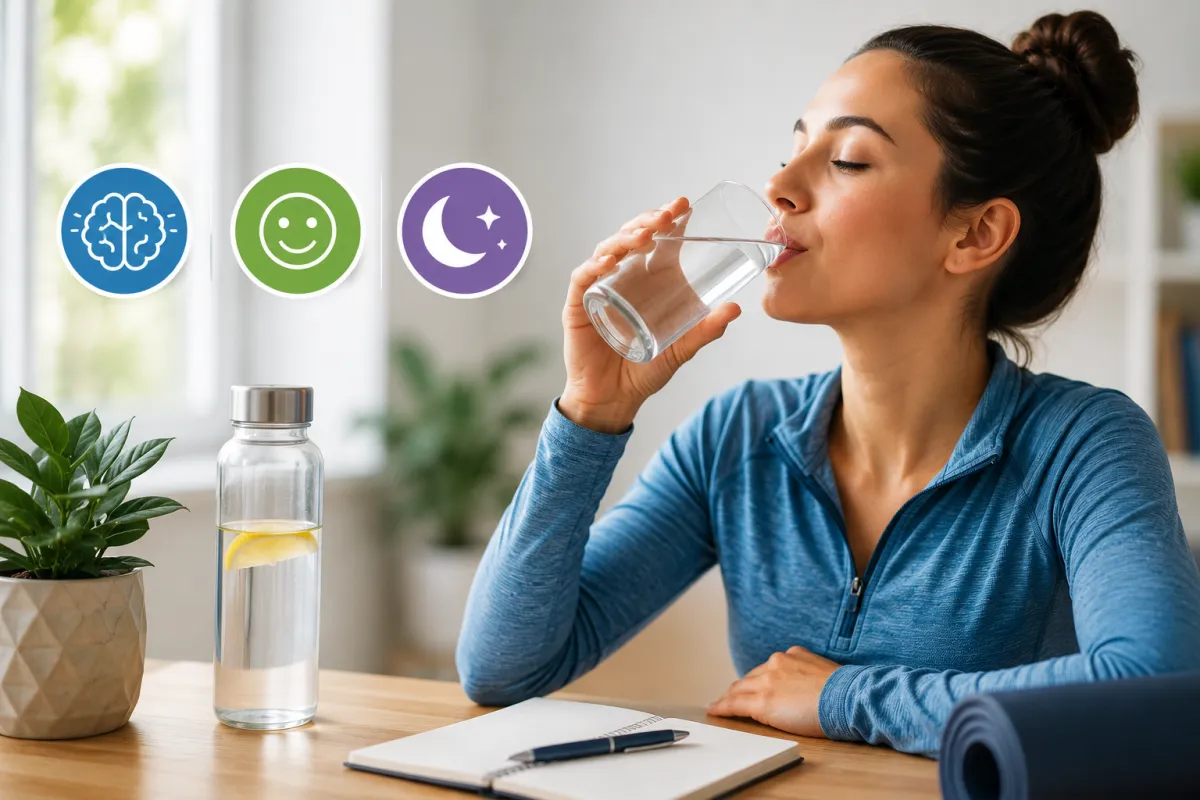
Can Better Hydration Improve Focus, Mood, and Sleep?
Hydration affects far more than physical performance. Drinking enough water supports healthy brain function, energy levels, mood, and sleep quality. While hydration isn't a cure for fatigue or stress, maintaining proper fluid balance can help your body and mind perform at their best throughout the day.
Your Brain Needs Water More Than You Think
When people think about hydration, they often associate it with exercise or hot weather.
But hydration plays an important role in everyday functions you may not immediately connect to water, including:
Concentration
Memory
Mood
Energy
Sleep quality
Even mild dehydration can affect how you feel and perform throughout the day.
The good news is that staying properly hydrated is one of the simplest wellness habits you can build, and one of the easiest to overlook.
If you're exploring ways to improve your daily hydration routine, healthy hydration solutions can help support consistent water intake throughout the day.
How Hydration Supports Brain Function
Your brain is made up of approximately 75% water.
It relies on proper hydration to support communication between brain cells and maintain normal cognitive function.
According to the Centers for Disease Control and Prevention (CDC), drinking enough water helps your body regulate temperature, protect joints, and support normal bodily functions.
Research also suggests that even mild dehydration may contribute to:
Difficulty concentrating
Mental fatigue
Reduced alertness
Slower reaction times
While hydration alone won't solve every productivity challenge, it provides a strong foundation for healthy brain performance.
Can Drinking More Water Improve Focus?
Think about how your body responds when you're dehydrated.
You may notice:
Brain fog
Headaches
Fatigue
Difficulty staying focused
That's because your brain must work harder when it doesn't have adequate fluids.
Several studies have found that restoring hydration may improve attention and short-term cognitive performance, particularly in individuals who were previously dehydrated.
If your afternoons often feel sluggish, simply increasing your water intake could become one small habit that supports better concentration.
The Connection Between Hydration and Mood
Mood is influenced by many factors, including:
Sleep
Nutrition
Physical activity
Stress
Hydration
Research published by the National Institutes of Health (NIH) has shown that inadequate hydration may be associated with increased feelings of fatigue, tension, and reduced overall mood in some individuals.
That doesn't mean drinking water instantly makes someone happier.
Rather, maintaining healthy hydration helps your body function more efficiently, making it easier to manage daily demands.
Does Hydration Affect Sleep?
Hydration and sleep have an interesting relationship.
Drinking too little water during the day may contribute to:
Dry mouth overnight
Muscle cramps
Nighttime discomfort
Feeling less refreshed in the morning
On the other hand, drinking excessive amounts immediately before bed may interrupt sleep because of nighttime bathroom trips.
A better strategy is to stay consistently hydrated throughout the day rather than trying to "catch up" before bedtime.
This balanced approach supports both hydration and sleep without disrupting your nighttime routine.
Simple Signs You May Need More Water
Your body often provides early signals before significant dehydration occurs.
Watch for:
Dark yellow urine
Dry lips
Headaches
Fatigue
Difficulty concentrating
Increased thirst
Recognizing these signs early makes it easier to adjust your hydration habits before they affect your day.
Hydration Is About More Than Quantity
Many people focus only on drinking more water.
Quality and consistency also matter.
Healthy hydration habits include:
Drinking water throughout the day
Eating water-rich fruits and vegetables
Replacing fluids after exercise
Limiting excessive sugary beverages
For individuals interested in learning more about everyday wellness habits, Dr. Livingood wellness resources offer practical lifestyle education centered on sustainable health practices.
Small Habits Make a Big Difference
Improving hydration doesn't require a complete lifestyle overhaul.
Try these simple habits:
✔ Start your morning with a glass of water.
✔ Carry a reusable water bottle.
✔ Drink water before meals.
✔ Add fruit slices for natural flavor.
✔ Increase water intake during hot weather or exercise.
Small daily improvements often become lasting routines.
Hydration Works Best as Part of a Healthy Lifestyle
Water supports many aspects of wellness, but it works alongside other healthy habits.
For the best results, combine hydration with:
Nutritious meals
Regular movement
Consistent sleep
Stress management
Time outdoors
Together, these habits create a stronger foundation for long-term health.
If you're looking for additional guidance on building sustainable wellness habits, TATMAR wellness education provides resources focused on healthy living and practical daily choices.
Frequently Asked Questions
Can dehydration affect concentration?
Yes. Even mild dehydration may reduce alertness and make it harder to concentrate.
Does drinking more water improve my mood?
Proper hydration supports normal brain function and may help reduce feelings of fatigue associated with dehydration.
Can dehydration affect sleep?
It can. Poor hydration may contribute to nighttime discomfort, while drinking excessive water immediately before bed may interrupt sleep.
How much water should I drink each day?
Water needs vary depending on age, activity level, climate, and overall health. Drinking consistently throughout the day and paying attention to thirst are good starting points.
Is hydration important even if I'm not exercising?
Absolutely. Your body needs water every day to support normal physical and mental function, regardless of activity level.
Final Thoughts
The benefits of drinking more water extend beyond simply quenching thirst.
Healthy hydration supports:
Better focus
Improved daily energy
Balanced mood
Overall wellness
Comfortable sleep habits
While hydration isn't a cure-all, it is one of the easiest healthy habits to improve—and one that can positively influence many areas of daily life.
If you're ready to build healthier hydration habits, explore healthy hydration solutions and discover practical ways to support your wellness journey every day.
