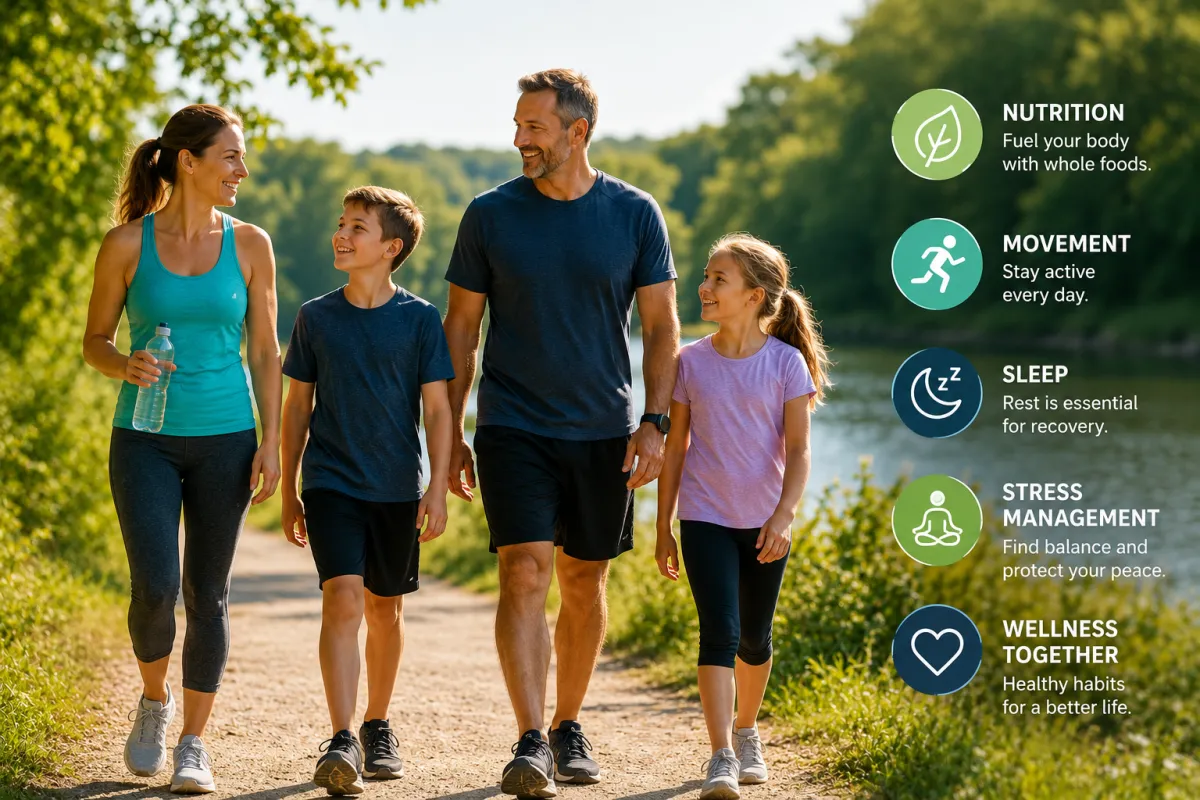
Wellness-First Living: Simple Habits for Long-Term Health Success
Many people spend years chasing quick health fixes only to find themselves stuck in the same cycle. Wellness-first living focuses on building sustainable daily habits that support energy, mobility, nutrition, mindset, and overall quality of life. Instead of treating symptoms after problems appear, this approach emphasizes prevention and healthy lifestyle choices.
Why So Many People Feel Stuck in Their Health Journey
Modern life makes healthy living harder than it should be.
Many people struggle with:
Low energy
Poor sleep
Weight gain
Chronic stress
Inconsistent nutrition
The problem isn't usually a lack of information.
Most people already know they should:
Move more
Eat better
Sleep consistently
Manage stress
The challenge is creating habits that are sustainable long-term.
That's why more families are embracing a wellness-first approach focused on daily choices instead of temporary solutions.
For those seeking practical health education and wellness resources, Dr. Livingood's wellness programs focus on helping individuals build healthier lifestyles through simple, sustainable strategies.
Prevention Is Often Easier Than Correction
Many health challenges develop gradually over time.
Small daily habits compound.
So do small daily problems.
According to the Centers for Disease Control and Prevention (CDC), lifestyle factors such as nutrition, physical activity, sleep, and stress management significantly influence long-term health outcomes.
Rather than waiting for issues to become serious, wellness-focused individuals prioritize preventative habits that support overall well-being before problems arise.
The Foundation of Wellness Starts With Daily Movement
Exercise doesn't need to be extreme.
In fact, consistency matters far more than intensity.
Simple activities such as:
Walking
Stretching
Strength training
Mobility work
can support:
Cardiovascular health
Joint function
Energy levels
Mental wellness
According to the World Health Organization (WHO), regular physical activity reduces the risk of numerous chronic health conditions while supporting both physical and mental health.
The goal isn't perfection.
The goal is creating movement habits that can be maintained for years.
Nutrition Should Support Real Life
One reason many diets fail is because they're difficult to maintain.
Wellness-first living encourages practical nutrition habits such as:
Eating whole foods more often
Reducing processed foods
Staying hydrated
Improving meal consistency
Small improvements often produce meaningful results over time.
Instead of constantly starting over with restrictive programs, sustainable nutrition focuses on long-term success.
Many people exploring healthier lifestyle habits begin with educational resources available through Dr. Livingood's wellness community.
Sleep Is One of the Most Overlooked Health Factors
Many people focus on exercise and nutrition while ignoring sleep quality.
Yet sleep influences:
Recovery
Hormone balance
Mental clarity
Immune function
According to the National Institutes of Health (NIH), insufficient sleep is associated with a wide range of health challenges and can negatively impact overall wellness.
Creating healthy sleep habits may be one of the highest-return investments people can make for their health.
Stress Management Is Part of Physical Health
Health isn't just physical.
Chronic stress can affect:
Energy levels
Digestion
Sleep quality
Motivation
Recovery
Wellness-focused individuals often prioritize:
Daily walks
Mindfulness practices
Time outdoors
Family connection
Personal development
These habits help create balance during busy seasons of life.
Why Education Often Leads to Better Health Decisions
Many people struggle because they receive conflicting advice.
One week it's:
Low carb
High carb
Intermittent fasting
Keto
Detox programs
Without education, it's difficult to know what truly supports long-term health.
This is one reason wellness educators like Dr. Livingood focus heavily on helping people understand the "why" behind healthy choices rather than relying on temporary motivation alone.
Small Daily Wins Create Big Long-Term Results
One of the most powerful ideas in wellness-first living is that small actions matter.
Examples include:
Drinking more water
Walking 20 minutes daily
Prioritizing sleep
Eating more vegetables
Managing stress proactively
None of these actions seem dramatic individually.
But over months and years, they can significantly impact quality of life.
Why Families Are Embracing Wellness Together
Healthy habits become easier when the entire household participates.
Families often experience benefits such as:
Better routines
Increased accountability
Improved energy
Stronger relationships
Wellness becomes more sustainable when it's part of a lifestyle rather than a temporary project.
Resources available through Dr. Livingood's wellness programs are designed to help individuals and families create healthier habits that fit real life.
Frequently Asked Questions
What is wellness-first living?
Wellness-first living focuses on building daily habits that support long-term health through nutrition, movement, sleep, stress management, and preventative wellness.
Why is preventative wellness important?
Preventative wellness helps reduce risk factors before larger health challenges develop.
Do small health habits really make a difference?
Yes. Consistent daily habits often produce significant long-term results.
Is wellness-first living only about nutrition?
No. It includes physical activity, sleep, stress management, education, mindset, and overall lifestyle choices.
Final Thoughts
The healthiest lifestyles are rarely built through extreme programs or short-term motivation.
They are built through simple daily habits practiced consistently over time.
By focusing on movement, nutrition, sleep, stress management, and ongoing education, wellness-first living provides a practical path toward better long-term health.
If you're looking for trusted wellness education and lifestyle resources, explore Dr. Livingood's wellness platform and discover practical strategies designed to help individuals and families live healthier, more energized lives.
